What is the most dangerous animal in Africa?
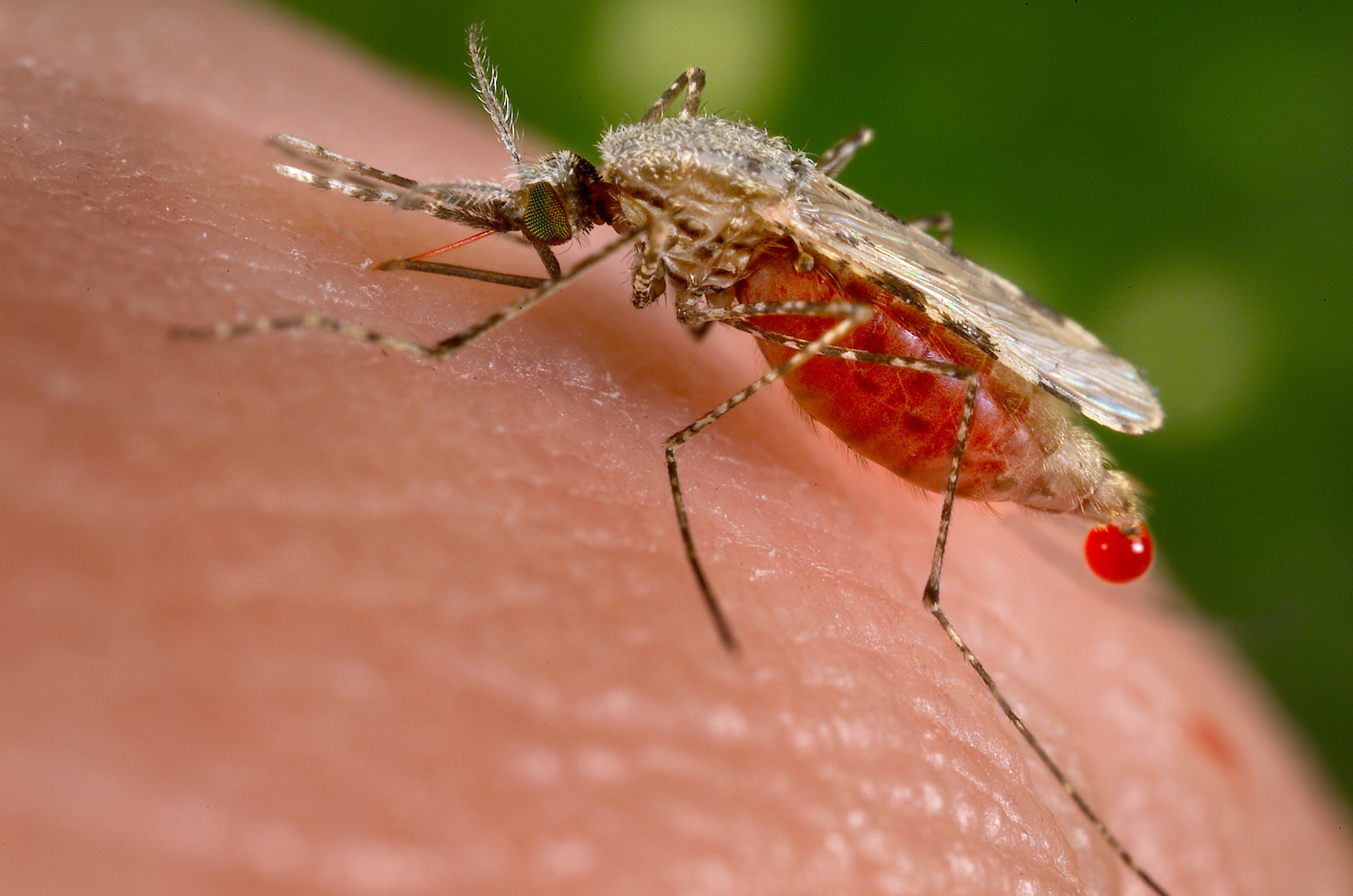
The Mosquito
Responsible for an estimated 1,000,000 deaths per year
Although the tiny mosquito may look far less impressive than the other large creatures on this list, it is far and away the most dangerous animal in Africa, and the world.
Then comes the Hippopotamus, responsible for an estimated 3,000 deaths per year
With so many dangerous animals in Africa, many people often overlook the fact that the hippopotamus is actually the biggest killer of humans of all large African animals. Although hippos are herbivores, these highly territorial animals are estimated to kill an incredible 3,000 people each year. Male hippos fiercely defend their territories, which include the banks of rivers and lakes, while females hippos can get extremely aggressive if they sense anything getting in between them and their babies, who stay in the water while they feed on the shore.
Hippos weigh up to 1,500 kg, the third biggest animal in Africa behind the elephant and rhino – and can run on land at speeds of up to 30 km per hour. Combine this with their aggressive nature, agility in and out of the water, and sharp, half-meter teeth in enormous jaws and you can understand why hippos can make for such a fearsome creature to encounter.
At a distant third the African Elephant responsible for an estimated 500 deaths per year
Reaching weights of up to 7,000 kg the world’s largest land animals can often be unpredictable, with older bull elephants, young males, and elephants with babies particularly dangerous to anything that crosses their path. Unprovoked attacks by African elephants on humans are occasionally reported, usually by male elephants in must (a sexually active period when testosterone levels increase).
Whilst they may seem like relatively relaxed animals, each year around 500 human fatalities are caused by African elephants by trampling and crushing their victims. In areas where poaching occurs, or the elephants’ habitat is in danger, elephants tend to be much more aggressive.